
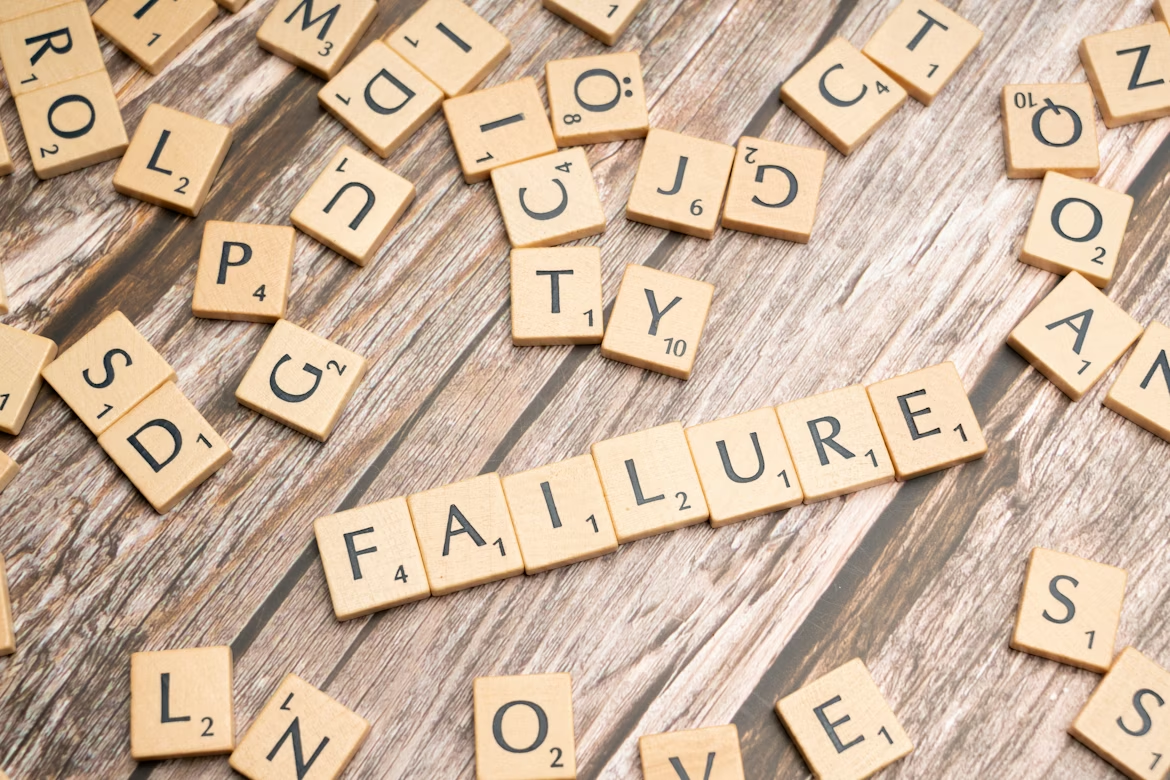
How Losing Can Change You More Than Winning
We're taught from a young age that success is the goal. Win the game. Get the grade. Land the job. Find the love. Everything else is just practice for the moment you finally get it right.
But here's the thing nobody tells you. Failure is where the real change happens.
Not the kind of failure that destroys you. The kind that reshapes you. The kind that forces you to look at yourself differently, to question what you thought you knew, to rebuild from the ground up.
Some of the most powerful stories ever written are about people who fail. Not because failure is fun to watch, but because watching someone fall apart and put themselves back together is the most human thing there is.
These stories won't give you a step-by-step guide to handling failure. They'll do something better. They'll show you what it looks like from the inside. They'll make you feel less alone when everything falls apart.
The Classics That Understand Failure
1. The Death of Ivan Ilyich by Leo Tolstoy

This might be the most devastating story ever written about a man who realizes he's lived his whole life wrong.
Ivan Ilyich is a judge. He's successful by every external measure. Good career. Good marriage. Good social standing. He's done everything right.
Then he gets sick. Dying sick. And as he lies in bed, waiting for the end, he starts to question everything. His friends don't really care. His wife is going through the motions. His colleagues are already fighting over his job.
The worst part? He realizes he's never really lived. He did what he was supposed to do. He followed the rules. He climbed the ladder. But he never actually wanted any of it. He just thought he was supposed to.
Tolstoy wrote this after his own spiritual crisis, after questioning everything he believed. You can feel it in every page. The way Ivan's physical pain becomes inseparable from his spiritual pain. The way his body fails him just as his understanding of life fails him.
There's a moment near the end where Ivan stops fighting. He stops pretending. He just... lets go. And in that letting go, something shifts. He finds peace not despite his failure, but through it.
I read this book in my twenties and it scared me. In my forties, it feels like a warning I'm grateful to have received.
The lesson: Success according to others can be the biggest failure of all. The only question that matters is whether you lived your life or someone else's.
2. The Stranger by Albert Camus

Meursault is a man who doesn't play the game.
He goes to his mother's funeral and doesn't cry. He starts a relationship with a woman he doesn't love. He kills a man on a beach for no real reason. At his trial, everyone is more concerned with his lack of emotion than with the crime itself.
The prosecutors paint him as a monster because he didn't show grief. They use his failure to perform the right emotions as evidence of his guilt. And in a way, they're right. He is different. He doesn't feel what he's supposed to feel.
But here's the thing. Meursault isn't evil. He's just honest. He refuses to pretend. And that refusal, that failure to conform, is what condemns him.
The last pages of the book, where he faces his execution and finally opens himself to "the gentle indifference of the world," are some of the most powerful in literature. He stops fighting the universe. He accepts that it doesn't care. And in that acceptance, he finds something like peace.
Camus called this "the only philosophical problem worth asking." Whether life is worth living. Whether failure matters. Whether anything matters.
The lesson: Sometimes failing to be what others expect is the only honest choice. The world may punish you for it, but you'll die knowing you didn't lie.
3. The Metamorphosis by Franz Kafka
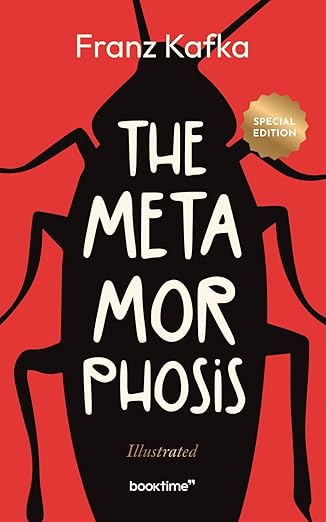
Gregor Samsa wakes up one morning as a giant insect.
That's the whole premise. No explanation. No reason. Just transformation into something society considers disgusting.
The story follows what happens next. His family is horrified. His job is gone. His room becomes a prison. He's fed but not spoken to. He's cared for but not loved. Slowly, he becomes less human in their eyes, and eventually, in his own.
Kafka wasn't writing about literal transformation. He was writing about what happens when you fail to meet expectations. When you become useless. When the people who loved you start to see you as a burden.
The most heartbreaking part isn't Gregor's suffering. It's his family's relief when he finally dies. They go on a picnic. They make plans. They talk about finding a nice apartment. Life continues without him, and it's better.
That's the fear at the heart of this story. Not that you'll fail, but that your failure will make you invisible. That the world will move on and forget you ever existed.
The lesson: Failure can strip away everything, including the people who claimed to love you. The question is what remains when they're gone.
4. The Old Man and the Sea by Ernest Hemingway
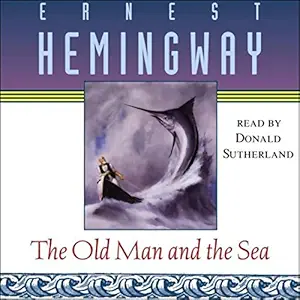
An old fisherman goes eighty-four days without catching a fish. He's a failure, a laughingstock, someone the other fishermen pity.
Then he hooks the biggest marlin of his life.
The battle lasts for days. He fights with everything he has. His hands bleed. His back aches. He's alone on the ocean, holding on through pain and exhaustion. Finally, he wins. He kills the fish and lashes it to his boat.
Then the sharks come.
They tear the marlin apart piece by piece. The old man fights them too, with a harpoon, a knife, a club. But there are too many. By the time he reaches shore, nothing is left but a skeleton.
He carries his mast home, falls on his bed, and sleeps. In the morning, the other fishermen measure the skeleton. They've never seen anything so big. Tourists mistake it for a shark. The old man drinks coffee and talks about baseball with the boy who loves him.
Did he fail? He lost the fish. He has nothing to show for his struggle. But Hemingway doesn't present it as failure. He presents it as triumph. The old man went out too far. He fought harder than anyone could expect. He refused to give up even when he knew he couldn't win.
Man can be destroyed but not defeated. That's the line everyone remembers. It's about this old man, this failure, this hero.
The lesson: Winning isn't the point. Fighting when you know you can't win, that's the point.
5. A Man Called Ove by Fredrik Backman
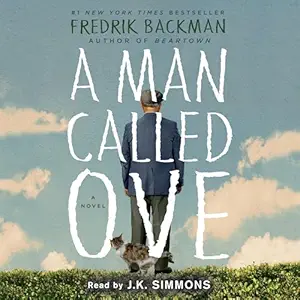
Ove is a fifty-nine-year-old man who's given up.
His wife is dead. His job is over. His neighbors annoy him. He has rules and routines and no patience for anyone who breaks them. Every morning he does his inspection of the neighborhood, making sure things are as they should be. Then he goes home and tries to kill himself.
The book follows what happens when new neighbors move in. A pregnant woman, her useless husband, their two young daughters. They accidentally back their trailer into Ove's mailbox. They need his help. They won't leave him alone.
Slowly, reluctantly, Ove gets pulled back into life. Not because he wants to. Because life won't stop demanding things from him. A cat needs feeding. A girl needs a ride to the hospital. A man needs a place to sleep. The world keeps asking, and Ove keeps answering.
Backman understands something profound about failure. Sometimes the biggest failure isn't what you did wrong. It's giving up on connection. It's deciding that no one needs you anymore. Ove's wife was his whole world, and when she died, he failed to imagine a world without her.
The book isn't sentimental, even though it sounds like it could be. It's honest about grief. Honest about how hard it is to keep going. Honest about the way other people can save you even when you don't want to be saved.
The lesson: Failure to find meaning after loss isn't weakness. But letting others in, even when you don't want to, might be the only way through.
6. Eleanor Oliphant Is Completely Fine by Gail Honeyman
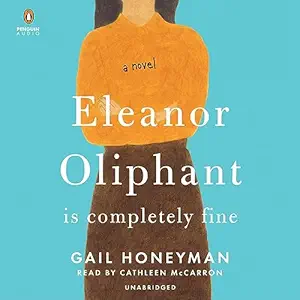
Eleanor Oliphant has a routine.
She works the same job. She eats the same food. She talks to the same people in the same way. On weekends, she drinks vodka and waits for Monday. She's completely fine. That's what she tells everyone. That's what she tells herself.
She's not fine.
Something terrible happened in her past. Something she's buried so deep she barely remembers it. But it shapes everything. The way she talks to people. The way she keeps everyone at a distance. The way she's convinced she doesn't need anyone.
Then two things happen. She develops a crush on a musician she's never met, convincing herself he's the answer to everything. And her coworker Raymond starts being kind to her, refusing to let her push him away.
The crash that follows, when her fantasy meets reality, is brutal. Eleanor falls apart completely. But that falling apart is also the beginning of something else. The beginning of actually dealing with what happened. The beginning of letting people in. The beginning of being not fine, but real.
Honeyman wrote Eleanor as someone who failed at being human. Failed at connection. Failed at healing. But the book isn't about the failure. It's about what comes after.
The lesson: Sometimes you have to completely fall apart before you can finally start putting yourself together right.
Final Thoughts
Here's what I've learned from these books.
Failure isn't the opposite of success. It's part of it. The people who never fail are the people who never try anything real. The people who risk, who love, who attempt the impossible, they fail. A lot. And they keep going.
The characters in these books don't win. Not in the way we usually mean. They lose jobs, loved ones, themselves. But they also find something. A deeper understanding. A truer self. A peace that doesn't depend on things going right.
Maybe that's the real lesson. Not how to avoid failure, but how to let it reshape you. How to let it strip away everything false until only what's real remains. How to keep walking even when you don't know where you're going.
These stories won't fix your failures. But they might help you see them differently. Not as evidence that you're broken, but as proof that you're human. That you tried. That you're still here.
And sometimes, that's enough.
this story hurt me
This is such an important perspective. Sometimes the hardest moments shape who we become.
I believe everyone has a story like this somewhere in their life.
Failure can be painful, but it often teaches lessons that success never could.
I love reading stories like this. They remind me that failure isn’t the end of the road
I appreciate this reminder that setbacks can actually transform us for the better.
The most inspiring
These kinds of stories remind us that growth often comes from struggle.
thanks for this