I used to be one of those people.
You know the type. “Real reading means print.” “Audiobooks don’t count.” “I need to hold the book in my hands.”
Then I discovered a strange thing. Some stories I loved in print became completely different experiences when I heard them. Richer. Deeper. More emotional. Sometimes I even understood them better.
This isn’t about print versus audio. Both are valid. Both are wonderful. But some stories were clearly meant to be heard. The author might have written them on a page, but they come alive when spoken aloud.
Let me explain why, with examples of books that prove the point.
1. When the Author’s Voice Is Part of the Story
Some authors have voices that are inseparable from their words. You can read them on the page and love them. But hearing them? That’s something else entirely.
Born a Crime by Trevor Noah
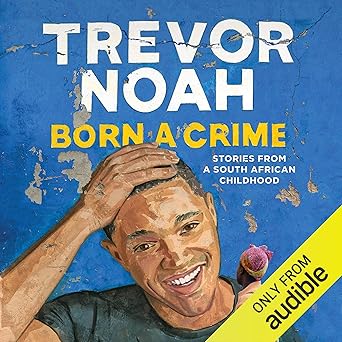
Trevor Noah grew up in South Africa during apartheid. He was born to a Black mother and a white father. Their relationship was illegal. His very existence was a crime.
The book is brilliant on paper. Funny and heartbreaking and wise. But the audiobook is something else entirely.
Noah doesn’t just read his memoir. He performs it. He does voices for his mother, his grandmother, the people from his childhood. He switches between English and African languages effortlessly. He reenacts conversations he actually had.
When he tells the story of his mother throwing him out of a moving car to save him from danger, you hear the terror in his voice. When he describes the chaos of his childhood, you hear the laughter underneath.
There’s a moment where he talks about the click sounds in Xhosa, his native language. On the page, he has to explain them. In the audio, he just does them. You hear what he’s describing. You understand in a way print can’t make you.
Noah said in interviews that he wanted to capture the oral tradition he grew up with, stories told aloud, passed down through voices. The audiobook does that perfectly.
Greenlights by Matthew McConaughey
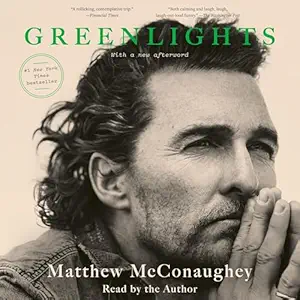
I read this book first. I liked it. It was weird and wonderful and totally McConaughey.
Then I listened to it.
It’s a completely different experience. McConaughey doesn’t just read. He acts. He whispers. He shouts. He sings. He laughs at his own stories. He pauses in exactly the right places.
The book is structured around journal entries he’s kept for decades. In print, they’re interesting. In audio, they feel like you’re finding someone’s private diary. His voice shifts when he reads entries from different ages. Young McConaughey sounds different from older McConaughey.
There’s a section where he talks about a trip to the Amazon, drinking ayahuasca, having profound realizations. On the page, it’s interesting. In audio, with his voice getting dreamy and distant, you feel like you’re there with him.
And the way he says certain words? “Alright, alright, alright” becomes something you feel in your bones.
2. When the Narrator Becomes the Character
Some audiobooks are narrated so perfectly that the narrator becomes the voice of the character in your head. You can’t imagine reading the book any other way.
The Harry Potter Series by Jim Dale (US) or Stephen Fry (UK)
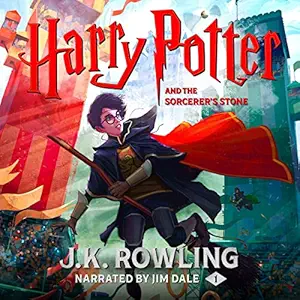
Pick your preferred narrator. Both are legendary for different reasons.
Jim Dale recorded all seven Harry Potter books, performing over a hundred distinct voices. A hundred. You always know who’s speaking. Hermione sounds like Hermione. Hagrid sounds like Hagrid. Dobby sounds like Dobby. Dale won two Grammy Awards for these recordings, and you’ll understand why within minutes.
Stephen Fry’s version is equally beloved in the UK. His voice is warm and witty, perfect for the humor and heart of the stories.
Here’s the thing. Millions of people grew up with these audiobooks. For them, Jim Dale or Stephen Fry isn’t just a narrator. He is the voice of Harry Potter. Reading the books in print feels incomplete, like watching a movie in black and white.
I’ve met adults who still listen to these audiobooks when they’re sad or stressed. The voices are comfort. The stories become something you hear, not just something you read.
3. When the Format Adds Something New
Some audiobooks aren’t just readings. They’re productions. They add elements that don’t exist in print.
Daisy Jones and The Six by Taylor Jenkins Reid
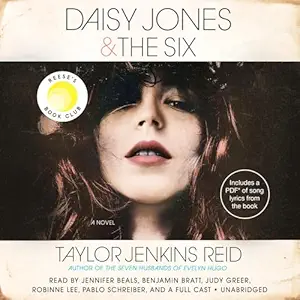
This book is written as an oral history, interviews with band members looking back on their rise and fall.
In print, it works. The format is clever, the voices distinct.
But the audiobook? It’s a full cast production with different actors for each character. You’re not reading interviews. You’re listening to them. It feels like a documentary playing in your ears.
The actors include Jennifer Beals, Benjamin Bratt, Judy Greer, and others. They don’t just read. They perform. They sound like real people being interviewed decades later, with all the emotion and regret and nostalgia that implies.
World War Z by Max Brooks
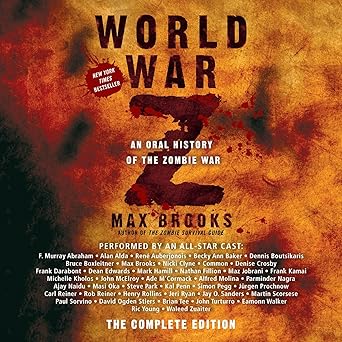
The complete edition of World War Z features a full cast including Alan Alda, Mark Hamill, Nathan Fillion, and many others.
The book is an oral history of the zombie war, told through interviews with survivors around the world. In print, it’s chilling and smart.
In audio, it’s immersive in ways print can’t match. Different actors play different survivors. You hear Chinese, Russian, American accents. You hear fear, grief, hope in real voices.
Mark Hamill’s performance as a soldier describing a desperate last stand will stay with you. Alan Alda’s gentle voice as a scientist who made terrible choices is devastating.
The audio also includes sound design. Not overwhelming, just enough. Footsteps in empty cities. Wind through broken windows. Guns in the distance. You’re not just hearing a story. You’re hearing a world.
Brooks has said the audiobook is his preferred version. The oral history format was always meant to be heard.
3. When Poetry Demands to Be Heard
Poetry on the page is beautiful. Poetry in the voice of the poet is something else entirely.
The Sun and Her Flowers by Rupi Kaur
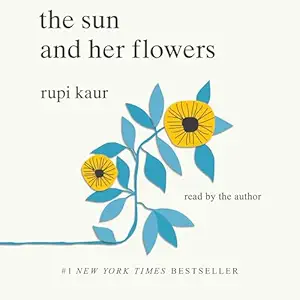
Rupi Kaur’s poetry has reached millions of readers. Her simple, powerful words about trauma, healing, and love have become anthems for a generation.
But hearing her read her own work adds dimensions print can’t capture. Her voice is soft and deliberate. She pauses exactly where she means to. She emphasizes words in ways that change their meaning.
There’s a poem about her mother’s immigration, about sacrifice and survival. On the page, it’s moving. In Kaur’s voice, with her slight accent and careful pacing, it becomes something you feel in your chest.
She also includes music and ambient sound in her recordings. The poems breathe. They exist in space, not just on paper.
4. When Humor Hinges on Timing
Comedy is about timing. Pauses. Emphasis. Delivery. These things don’t exist on a page.
Me Talk Pretty One Day by David Sedaris
David Sedaris reading his own essays is a masterclass in comedic timing.
On the page, his essays are funny. His sentences are sharp. His observations are precise.
But hearing him read? You catch things you missed. The way he pauses before a punchline. The way his voice drops on certain words. The way he imitates his French teacher’s accent.
There’s an essay about trying to learn French after moving to Paris. He describes mangling the language, embarrassing himself, getting frustrated. On the page, it’s funny. In audio, with his delivery, it’s hilarious. You hear the frustration in his voice. You hear the absurdity.
Sedaris has said he writes to be heard. He reads drafts aloud as he works. The final product, in his voice, is the truest version.
5. When Emotion Needs a Voice
Some stories are so emotional that hearing them becomes almost overwhelming in the best way.
A Heart That Works by Rob Delaney
Rob Delaney is a comedian. You might know him from Catastrophe. But this book isn’t funny.
It’s about the death of his young son from a brain tumor. It’s devastating and beautiful and raw.
Delaney reads it himself. And here’s the thing. His voice cracks. He pauses to compose himself. He almost breaks down in places. In print, those moments would be described. In audio, you live them with him.
There’s a passage where he describes the moment his son died. His voice gets quiet, almost a whisper. You’re holding your breath with him. You’re crying with him.
Some listeners have said they can only handle this book in small doses. It’s too much. But it’s also exactly right. Hearing his grief makes it real in ways print couldn’t.
6. When Accents and Languages Matter
Some books are so tied to specific places and cultures that hearing the authentic accent changes everything.
The Sellout by Paul Beatty
This novel won the Booker Prize. It’s satirical, sharp, and deeply American.
The audiobook is narrated by Prentice Onayemi, and his performance captures something essential. The rhythms of Black American speech. The humor that lives in delivery. The anger that sits just beneath jokes.
Beatty’s prose is dense with cultural references, wordplay, and irony. Hearing it performed helps you catch things you’d miss reading silently. The timing of jokes becomes clear. The satire lands harder.
7. When the Format Creates Intimacy
Audiobooks can feel more intimate than print. Someone is speaking directly to you. That changes how you receive the story.
Becoming by Michelle Obama
Michelle Obama reading her own memoir feels like she’s sitting across from you, telling you her story.
Her voice is warm and honest. She sounds exactly like herself, not like someone performing. When she talks about her father’s illness, you hear the love and grief. When she talks about meeting Barack, you hear the joy. When she talks about the White House years, you hear the complexity.
There’s a moment where she describes sitting in the Lincoln Bedroom, alone, thinking about everything that brought her there. Her voice gets quiet, reflective. You feel like you’re intruding on a private moment, but she’s invited you in.
The print book sold millions. The audiobook created a different kind of connection. Listeners reported feeling like they knew her personally after hearing her voice.
When Should You Choose Audio Over Print?
Here’s my rule of thumb.
Choose audio when:
- The author reads their own memoir
- The book is written in an oral history format
- The story involves multiple accents or languages
- Comedy is central to the experience
- Poetry is involved
- A full cast production exists
- You’ve already read it in print and want to experience it differently
Choose print when:
- You need to study or annotate
- Complex diagrams or illustrations matter
- You retain information better visually
- You just prefer the feel of a book in your hands
But honestly? You don’t have to choose. You can do both. Read a book. Then listen to it. Or listen first, then read.
I noticed that memoirs are often better as audiobooks, especially when the author narrates their own story.
I used to prefer reading, but after trying a few audiobooks I realized some stories are actually better when you hear them.
Listening to a book sometimes helps me understand the tone and emotion better than when I read it myself.
I enjoy audiobooks because they add another layer to the storytelling experience.