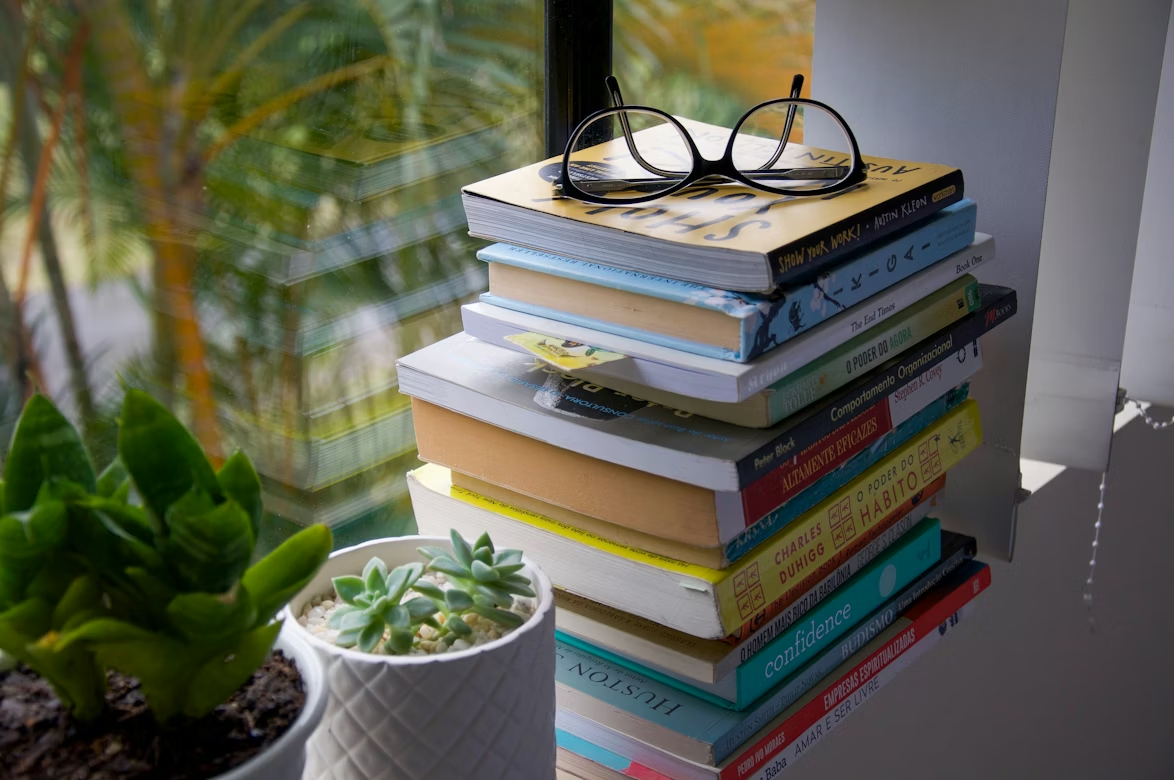
You want to read more. You really do.
You see people on social media with their cozy reading nooks and their stacks of books and their yearly reading challenges. You want that. You miss that feeling of being lost in a story, of not being able to put a book down.
But every time you try, something happens. You get tired after three pages. You forget what you read the night before. You pick up a book everyone says is amazing, and it just doesn’t grab you. So you put it down and feel like something’s wrong with you.
Nothing is wrong with you.
You just haven’t found the right books yet. The books that meet you where you are. The books that remind you why people read in the first place.
This list is for you. Not for English majors or lifelong readers. For people who want to read more but don’t know where to start. These books are short, gripping, and impossible to put down. They’re the literary equivalent of a gentle push. Nothing intimidating. Nothing boring. Just stories that remind you how good reading can feel.
What Makes a Book Good for Beginners?
Before we get to the list, let’s talk about what actually works when you’re trying to build a reading habit.
Short is better. A 300-page book feels achievable. A 600-page book feels like a commitment. Start small.
Fast pacing matters. Books that grab you in the first chapter and don’t let go are perfect for beginners. Slow, literary novels can wait.
Clear language helps. Beautiful prose is wonderful, but when you’re starting out, you want books you don’t have to work to understand.
Series can be motivating. If you love the first book, you have more waiting for you. That momentum keeps you going.
Genre matters less than enjoyment. Don’t worry about reading the “right” books. Read what you actually like. Mystery, romance, thriller, fantasy. It all counts.
1. The Giver by Lois Lowry
Pages: 240
Genre: Dystopian / Young Adult
When I recommend this book to beginners, I say the same thing. It’s short. It’s powerful. And it will make you feel something.
The Giver takes place in a community that seems perfect. No pain. No conflict. No choices. Everything is controlled. A young boy named Jonas is chosen to receive all the memories of the world, both the beautiful and the terrible.
What follows is a story about what we lose when we trade freedom for comfort.
The book is under 250 pages. The chapters are very short. The language is simple but not childish. You can read it in a single afternoon. And when you finish, you’ll want to talk about it with someone.
Why it works for beginners: Short chapters, simple language, emotional without being complicated, unforgettable ending.
2. The Hitchhiker’s Guide to the Galaxy by Douglas Adams
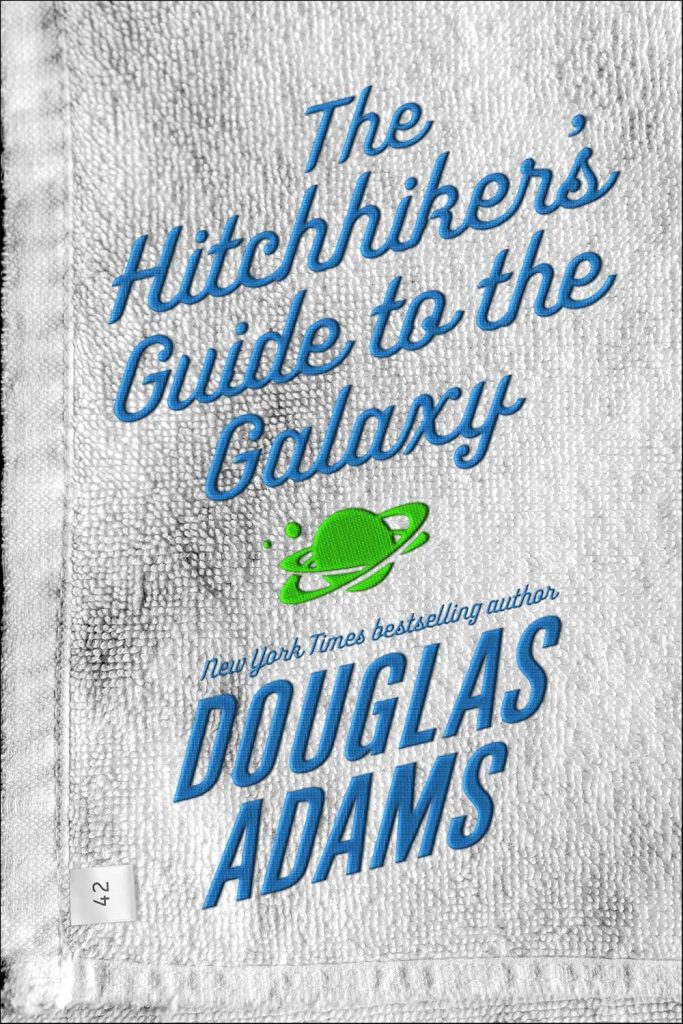
Pages: 208
Genre: Science Fiction / Comedy
This is the funniest book I’ve ever read. And it’s barely 200 pages.
Arthur Dent wakes up to find his house about to be demolished. Then he discovers that Earth is about to be demolished too. He’s saved by his friend Ford Prefect, who turns out to be an alien. They hitch a ride on a stolen spaceship and travel across the galaxy.
The book is ridiculous, brilliant, and constantly surprising. It doesn’t take itself seriously at all. There are no long paragraphs of description. No complex world-building you need to track. Just joke after joke, adventure after adventure.
If you’ve ever felt like the world is absurd and nothing makes sense, this book will feel like it was written just for you.
Why it works for beginners: Extremely short. Hilarious. No pressure to understand deep themes. Pure fun.
3. Of Mice and Men by John Steinbeck

Pages: 112
Genre: Literary Fiction
This might be the shortest classic novel ever written. Just over 100 pages. You could read it in a couple of hours.
Two migrant workers, George and Lennie, travel together during the Great Depression. George is small and sharp. Lennie is large and mentally disabled but incredibly strong. They have a dream of owning their own farm. The world has other plans.
The language is simple but gorgeous. The story is devastating. The ending will stay with you for days.
Some people are intimidated by “classics.” Don’t be. This one is short and accessible. It’s famous for a reason.
Why it works for beginners: Extremely short. Beautiful writing that’s still easy to understand. A story that proves reading can be powerful.
4. The Old Man and the Sea by Ernest Hemingway

Pages: 127
Genre: Literary Fiction
Hemingway is famous for his simple, direct sentences. No fancy words. No long descriptions. Just action and feeling.
An old fisherman has gone eighty-four days without catching a fish. He’s considered unlucky, a failure. He goes out alone into the Gulf Stream and hooks a giant marlin. The battle lasts for days.
That’s the whole plot. A man and a fish. But somehow, it’s about everything. Perseverance. Dignity. What it means to keep going when nothing is going your way.
Many people have to read this in school and hate it. Read it on your own terms, not because you have to. It’s different that way.
Why it works for beginners: Very short. Simple sentences. A single story that’s easy to follow.
5. The Silent Patient by Alex Michaelides
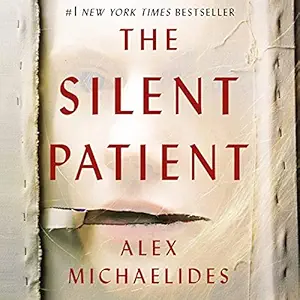
Pages: 336
Genre: Psychological Thriller
This book has one of the most famous twists in modern fiction. And it earned that reputation the hard way. By being genuinely surprising.
Alicia Berenson shoots her husband five times in the face. Then she never speaks another word. A psychotherapist becomes obsessed with making her talk. What he uncovers will change everything.
The chapters are very short. Some are only two or three pages. That’s perfect for new readers. You can read “just one more chapter” over and over until suddenly you’ve finished the book at 2 AM.
Why it works for beginners: Short chapters, fast pacing, a mystery that makes you want to keep reading, famous twist that delivers.
6. The Girl on the Train by Paula Hawkins
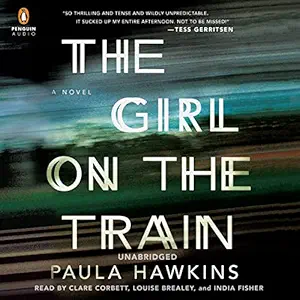
Pages: 336
Genre: Psychological Thriller
Rachel takes the same train every day. She watches the same houses. She becomes obsessed with a couple she calls “Jess and Jason.” Then she sees something shocking.
This book was everywhere for a reason. It’s addictive. The pacing is relentless. The narrators are unreliable, which means you’re constantly trying to figure out who’s telling the truth.
If you’ve never read a thriller before, start here.
Why it works for beginners: Multiple short chapters, alternating narrators keep things fresh, a central mystery that hooks you immediately.
7. The Housemaid by Freida McFadden

Pages: 336
Genre: Domestic Thriller
Freida McFadden has become one of the most popular thriller writers in the world, and this is her biggest hit.
A woman down on her luck takes a job as a housemaid for a wealthy couple. Something is wrong in that house. The wife is strange. The husband is hiding something. And the housemaid has secrets of her own.
The writing is simple and direct. No complex sentence structures. No big vocabulary words. Just story, story, story. You’ll tear through this in a couple of days.
Why it works for beginners: Extremely accessible writing, fast pacing, short chapters, pure entertainment.
8. And Then There Were None by Agatha Christie
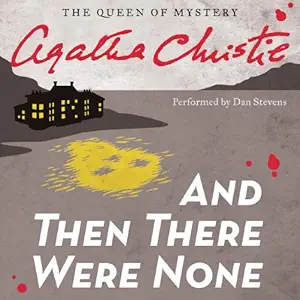
Pages: 264
Genre: Mystery / Classic
Ten strangers are invited to an isolated island mansion. A recorded voice accuses each of them of a terrible crime that escaped justice. Then, one by one, they are murdered. There is no detective. No one to save them.
This is the most famous mystery novel ever written. It’s also one of the best. Agatha Christie was called the Queen of Crime for a reason.
The puzzle is brilliant. The solution is famous. The tension is unbearable.
Why it works for beginners: Not too long, classic status means it’s been loved for generations, a puzzle you can try to solve alongside the characters.
How to Build a Reading Habit That Lasts
Start small. Ten minutes a day is better than zero minutes. Read while you eat breakfast. Read before bed. Read while you wait for appointments.
Don’t force yourself to finish bad books. If you’re fifty pages in and not enjoying it, stop. There are too many good books in the world to waste time on ones you don’t like.
Use audiobooks. They count as reading. Listen while you drive, clean, or walk. Some people find it easier to focus on audio than print.
Track what you read. It doesn’t have to be fancy. A simple list of titles and dates. Watching the list grow is motivating.
Find a friend to read with. Having someone to talk to about books makes everything more fun.
Don’t compare yourself to anyone else. Who cares if someone else read fifty books last year? Did you read more than you did the year before? That’s the only comparison that matters.
Final Thoughts
Reading isn’t about being smart. It’s not about impressing anyone. It’s not about finishing a certain number of books or reading the “right” ones.
Reading is about falling into a story. About forgetting where you are. About feeling something you didn’t expect to feel.
The books on this list are gateways. They’re not the only books you’ll ever read. They’re the ones that remind you why people read in the first place.
Pick one. Any one. Read the first chapter. If you’re not hooked, try another.
The right book is out there waiting for you.
Start your reading journey:
Fine way of telling, and nice paragraph to take facts regarding
my presentation topic, which i am going to convey in college.